More than five decades after the Manson murders, the fight for victims’ voices continues.
In this guest piece, Anthony DiMaria, nephew of Jay Sebring, shares what happened when Brie Tate—the niece of Sharon Tate and granddaughter of victims’ rights advocate Doris Tate—was prevented from having her victim impact statement read at Patricia Krenwinkel’s October 6 parole hearing.
Doris Tate Championed Victims’ Voices. Why Was Her Granddaughter Silenced?
By Anthony Di Maria
At 8:30 a.m. Tuesday, October 6, 2026, a parole hearing for Manson family killer Patricia Krenwinkel was scheduled to begin. As I sat at a table with my victim impact statement and laptop at hand (since COVID, parole hearings are conducted electronically), I received a phone call from the Board of Parole Hearings in Sacramento, California … literally moments before a parole hearing for one of the most notorious killers in United States history. The purpose of the call was to inform me that I was prohibited from delivering the impact statement of Brie Tate (Sharon Tate’s niece) at the parole hearing for Krenwinkel, convicted on seven counts of first-degree murder.
Inmate Krenwinkel is directly responsible for the killings of my uncle Jay Sebring, Sharon Tate, Steven Parent, Abigail Folger and Wojciech Frykowski in what has commonly been referred to in the media for decades as the “Manson murders.” Two nights later, August 10, 1969, inmate Krenwinkel butchered Rosemary and Leno LaBianca with the couple’s carving fork and butcher knife.
A little context is necessary as to the developments that precipitated this particular phone call from California state authorities. This is not only outrageous but an attempt to thwart justice for the murders of eight souls.
This is empirical insight from several decades of experience…
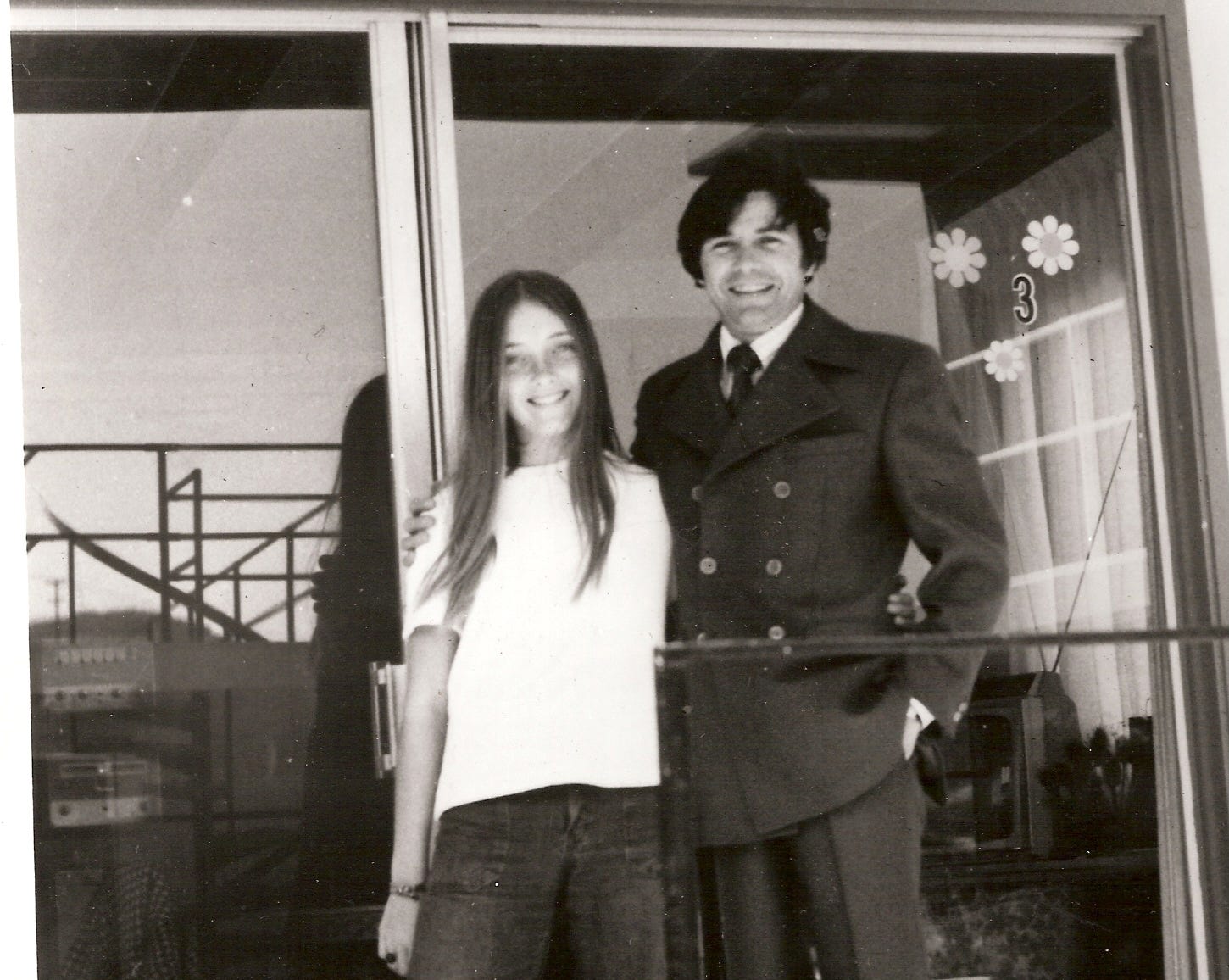
On June 1, 2005, I met Brie Tate (daughter of Patricia Tate, niece of Sharon Tate and granddaughter of Doris Tate) at the California Women’s Correctional Facility during a parole hearing for Manson family murderer Susan Atkins.
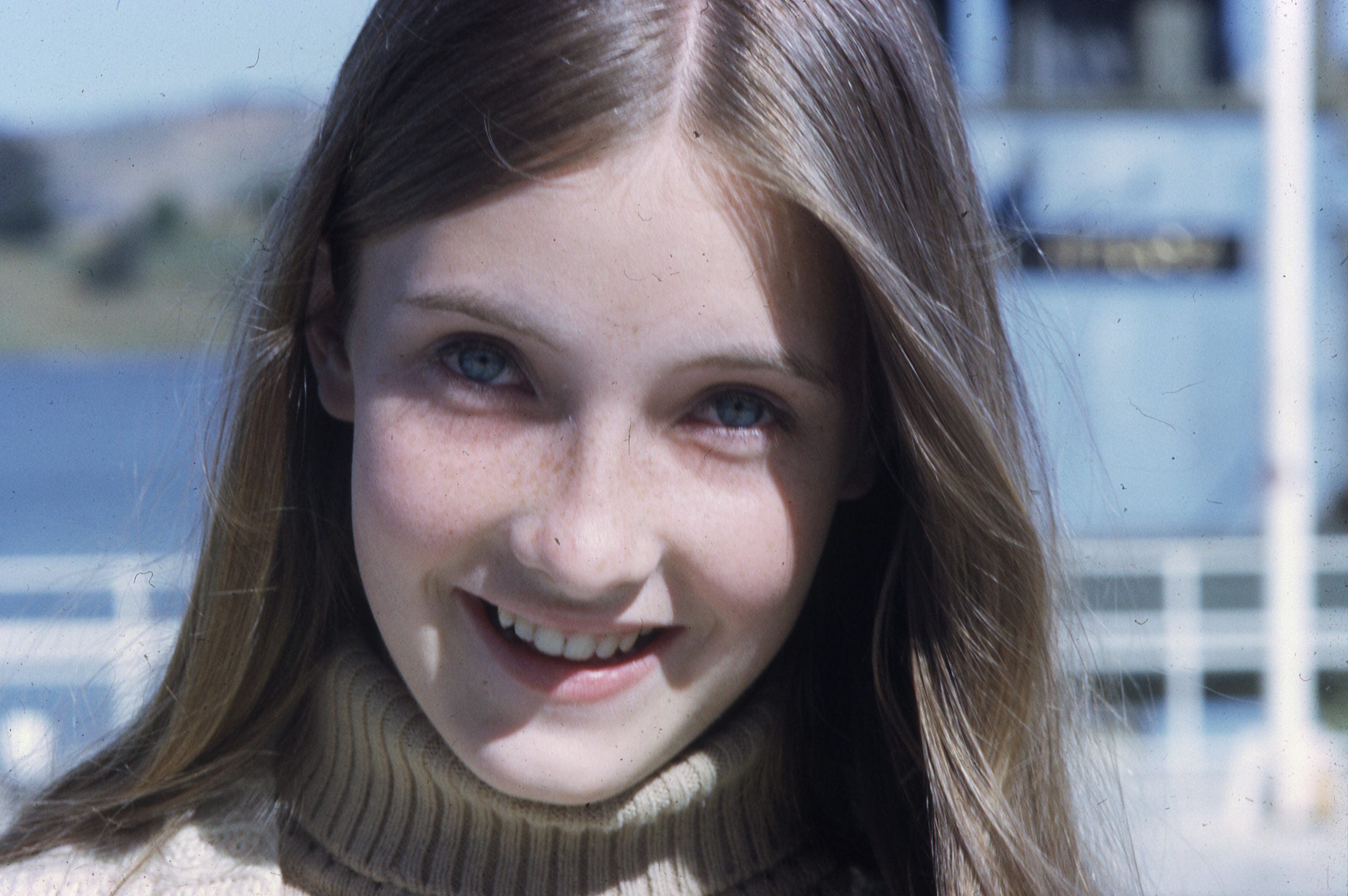
We remained in contact sporadically throughout the years.
Before Patricia Krenwinkel’s last hearing in 2025, Brie asked if I might deliver her victim impact statement as she was unable to attend the hearing. Of course, I would. It was an honor. Our families are bound on several levels.
In July 2026, our families were notified by the BPH of inmate Krenwinkel’s upcoming parole hearing on October 6 of this year at 8:30 a.m. On July 2, 2026, Brie was personally informed by the BPH that “You have been identified as a registered victim’s next of kin, victim’s family member, or a designated representative (designated in writing to the Office of Victim and Survivor Rights and Services) by the victim’s next of kin. As such, you have the right to appear at the hearing.”
Again, due to circumstances, Brie asked if I might read her impact statement at the hearing. Of course, I would! In the months leading up to the hearing, it was confirmed numerous times by the BPH and CDCR that Brie’s request was received and APPROVED by the authorities. It was directly confirmed to me several times in telephone communications.
But then BPH’s last-minute blindside. This obstruction of Brie’s right to express her impact statement was outrageous. I discovered during the call that Brie Tate was completely disregarded and not even informed that her statement was being prohibited! And yet, BPH went out of its way to stop me out of the blue at the last minute from delivering Brie’s impact statement! There is no doubt—this was not an oversight. This was a series of twists and maneuvers.
I immediately informed Brie and DA Ingalls of BPH’s rejection via email. Brie expressed dismay and confusion over the controversy and asked DA Ingalls if she might deliver her statement, to which the DA responded that she would if “the Board allows me.” DA Ingalls was denied by BPH Commissioners William Muniz and Timothy Kelly, prohibiting Brie Tate’s victim impact statement from being included in the parole hearing. They provided no law or definitive authority for their decision.
The extraordinary mishandling and timing, which caused the censorship of Brie Tate, reveal intentional efforts by several individuals…
How could this be? And by whom?
On Thursday, October 8, I contacted the appropriate authorities regarding these improprieties:
“Dear authorities from the BPH, CDCR, Los Angeles district attorney’s office, and Governor Newsom’s office,
My name is Anthony DiMaria, nephew of Jay Sebring, who met his untimely demise at the hands of Patricia Krenwinkel and the Manson family on Friday night, August 8, 1969.
I have been involved in many Manson family hearings as a victim’s next of kin and as a representative for the Hinman and LaBianca families.
I bring to your attention a serious matter that occurred Tuesday, October 6, 2026, at Patricia Krenwinkel’s parole hearing—the denial of Brie Tate’s victim rights and censorship of her victim impact statement from inmate Krenwinkel’s parole hearing.
I first met Brie (niece of Sharon Tate, daughter of Patricia Tate, granddaughter of Doris Tate) on June 1, 2005, at Susan Atkins’ parole hearing. We’ve remained in touch, and due to her situation (living outside the United States and managing challenging issues), she has asked me to share her victim impact statement at Patricia Krenwinkel’s past two hearings on May 30, 2025, (which I read to the BPH), and on October 6, 2026—which was prohibited and censored by the BPH at the last minute. I literally was phoned five minutes before the hearing was to begin at 8:30 a.m. Tuesday morning!
For context, the CDCR and Board of Parole Hearings APPROVED and CONFIRMED Brie’s request that I deliver her impact statement at the hearing for SEVERAL WEEKS BEFORE that phone call Tuesday morning.
After the call, I immediately informed Brie and Los Angeles district attorney Anne Ingalls via email and sent the file of Brie’s statement to DA Ingalls. As a result, Brie asked DA Ingalls to read her statement in the hearing.
During the hearing, after all victim impact statements were concluded, DA Ingalls kindly asked to include and read Brie’s statement to the Board. The DA was prohibited by BPH Commissioner William Muniz (might have been Commissioner Timothy Kelly, but I’m pretty sure it was denied by Muniz). DA Ingalls respectfully asked on what grounds he determined that Brie’s rights/request were refused, but the commissioner failed to provide a clear, definitive answer.
This is reflected in the record.
Brie was never informed or contacted about BPH’s last-minute “decision,” yet I was called and told (moments before the hearing) that I was forbidden from delivering Brie’s statement.
I’ve attended dozens of these parole hearings for nearly two and a half decades—I’ve never witnessed or experienced anything of this sort.
The negligence and timing of this matter are appalling. It definitely appears someone was, or some individuals were, pulling strings to prevent Brie’s impact statement from being expressed in Ms. Krenwinkel’s parole hearing.
Imagine this:
Brie Tate—the granddaughter of Doris Tate, who pioneered victims’ rights to deliver impact statements at lifer parole hearings—was censored from delivering her victim impact statement at the parole hearing of her aunt Sharon Tate’s killer, Patricia Krenwinkel.
I addressed this, in part, in my impact statement:
‘First, I must express immense respect and gratitude to Doris Gwen Tate, who pioneered the right of victims and our families to share victim impact statements in these parole hearings.
I thank you, Commissioners, for your service and for considering all victim family members who wish to be heard here today. I was going to continue to say, “At the conclusion of my statement, I will share an impact statement on behalf of Brie Tate per her request. Brie is unable to attend today’s hearing.” But I was called by the Board of Parole Hearings just four minutes before this hearing—just now—informing me that I am prohibited from delivering Brie Tate’s victim statement even though Brie’s request was approved and confirmed (numerous times) for several weeks by the BPH and CDCR. This is yet another glaring example of how victims’ rights are disregarded as secondary or incidental while violent criminals are provided “special considerations” and coddled by the CDCR and BPH. I bring this to your attention also so that future victims are not treated with similar disregard or otherwise treated inappropriately in future hearings.’
I leave you with my message to Brie after Patricia Krenwinkel’s hearing:
Dear Brie,
I am so sorry on several levels…
The Board has granted a parole decision in favor of Patricia Krenwinkel.
I am deeply sorry that I was not able to deliver your impact statement even though BPH and CDCR approved your request several weeks ago. I was prohibited by the BPH. The fact that you were not notified ASAP (and I was notified four minutes before the hearing) is appalling. A total disregard for your victim rights.
DA Anne Ingalls did her best to deliver your impact statement, but Commissioners William Muniz and Timothy Kelly also denied her request and prohibited your impact statement from the hearing.
It’s a travesty that your statement was prohibited from today’s hearing. Your words are profoundly poignant, compelling, and moving…
I am so sorry to say—you were censored from the parole hearing today.
Please know that Sharon’s, your mother’s, and your Nanna’s spirits embrace you lovingly and smile on you.
I look forward to learning the next steps forward in this serious matter.
Sincerely,
Anthony DiMaria”
After years of blood, sweat and tears, Doris Tate fought heroically through her grief to become a pioneer for victims’ rights, resulting in legislation that allows victims of violent crime the right to deliver victim impact statements at parole hearings involving rape, molestation and murder.
On October 6, 2026, Doris Tate’s granddaughter, Brie Tate, would have her victims’ rights violated by the Board of Parole Hearings after several decisions censoring Brie’s impact statement from Patricia Krenwinkel’s parole hearing.
What does this reveal about the BPH? What does this reveal about the decisions of Commissioners William Muniz and Timothy Kelly?
This matter extends well beyond my personal experience or feelings—these improprieties perniciously impact the very foundations of law, order, justice and civil society.
Discover the Story Behind Jay Sebring
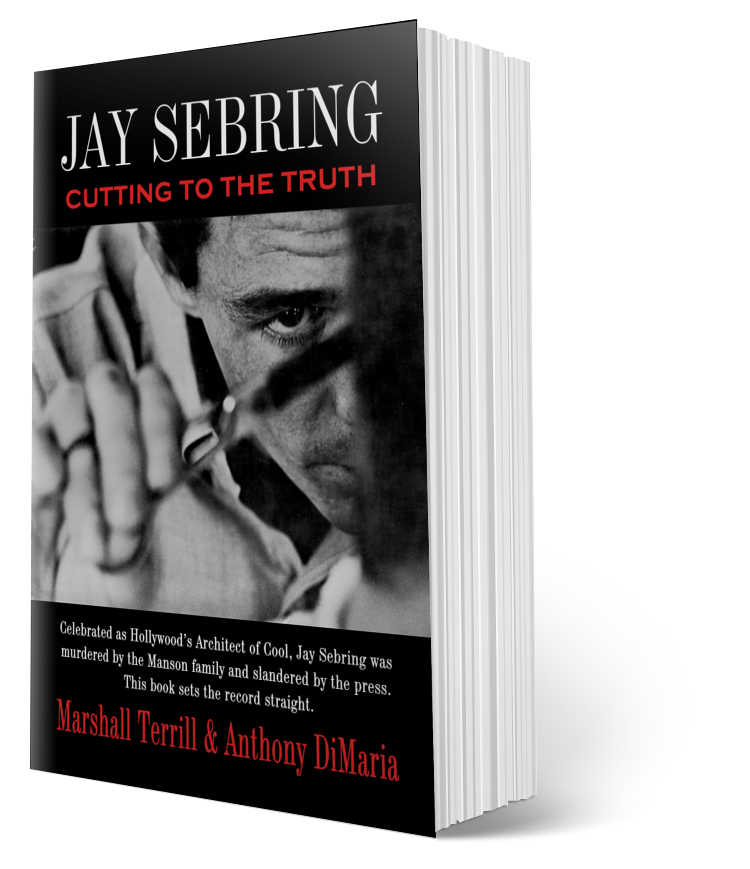
In Jay Sebring: Cutting to the Truth, Anthony DiMaria shares the life and legacy of his uncle, the pioneering Hollywood hairstylist whose life was tragically cut short by the Manson Family murders.
Go beyond the headlines and discover the man behind the name.
Explore Jay Sebring: Cutting to the Truth