


I’ve been working on a new book recently, and this one surprised me a little. It is a book about forgiveness.
Forgiveness did not come easily for me. For much of my life, I was not a particularly forgiving person. I could hold onto a grudge with both hands, and I often believed I was justified in doing so. Sometimes I was. The hurt was real. The betrayal was real. The anger made sense.
But eventually, I began to understand that my anger was not hurting the person who had hurt me. Most of the time, they were going on with their life while I was the one still carrying it. I was the one replaying the conversation, remembering the betrayal, bracing myself against old pain, and letting something from the past take up space in my present.
That does not mean the anger was wrong. It simply means it was heavy. And over time, I began to see that forgiveness was not about excusing what someone had done, or pretending it had not mattered. It was not something I gave to the person who hurt me so they could feel better. It was something I eventually chose for myself, because I was tired of letting the wound keep taking from me.
Forgiveness, when it finally became real for me, released a weight I had not fully realized I was carrying. It did not erase what happened, and it did not always restore the relationship. But it did give me back pieces of myself I had been tying to the hurt.
Part of what moved me toward writing this book was a conversation with someone close to me.
They shared a deeply personal story about someone they love, someone who had endured severe abuse as a child and, after many years, had eventually found a way to forgive and even begin rebuilding a relationship with the parent connected to that pain.
The person telling me this story was proud of their loved one. They could see how much healing it must have taken to reach that place. But they were also struggling, because they could not understand how forgiveness had become possible.
At one point, with so much heartbreak in their voice, they asked me, “If she can forgive her mother, why can’t I?”
And the answer came to me almost immediately.
“She had forty years to grieve, process, and eventually forgive. For you, this is still fresh. You deserve the same grace.”
The sob she uttered in response was not one of guilt, shame, or anger, but one of gratitude and relief.
Because I think so many of us do this. We compare our healing to someone else’s. We look at someone who seems peaceful, forgiving, or farther along, and we wonder why we are not there yet. We start to believe that if someone else has released something, we should be able to release it too.
But forgiveness does not work on someone else’s timeline.
Pain does not expire just because enough time has passed. And sometimes pain that looks old from the outside is still fresh inside us, because we are only just beginning to understand it, feel it, or tell the truth about what it meant.
That is part of what I want this book to explore. Not forgiveness as something forced. Not forgiveness as a spiritual performance. Not forgiveness as pretending something did not hurt, or allowing someone back into your life who should no longer have access to you.
But forgiveness as something honest. Something deeply personal. Something that may take time. Something that cannot be demanded, rushed, or measured against anyone else’s process.
As I begin writing this book, I would love to hear from you.
When you think about forgiveness, what feels hardest? What questions come up for you? What would you want from a book on forgiveness?
Would journal prompts be helpful? Gentle reflections? Personal stories? Guided meditations? Practical exercises? A spiritual perspective? Something else entirely?
I’m still shaping this book, and I would be grateful to know what might actually support you, not in a perfect, polished, “just let it go” kind of way, but in a real human way.
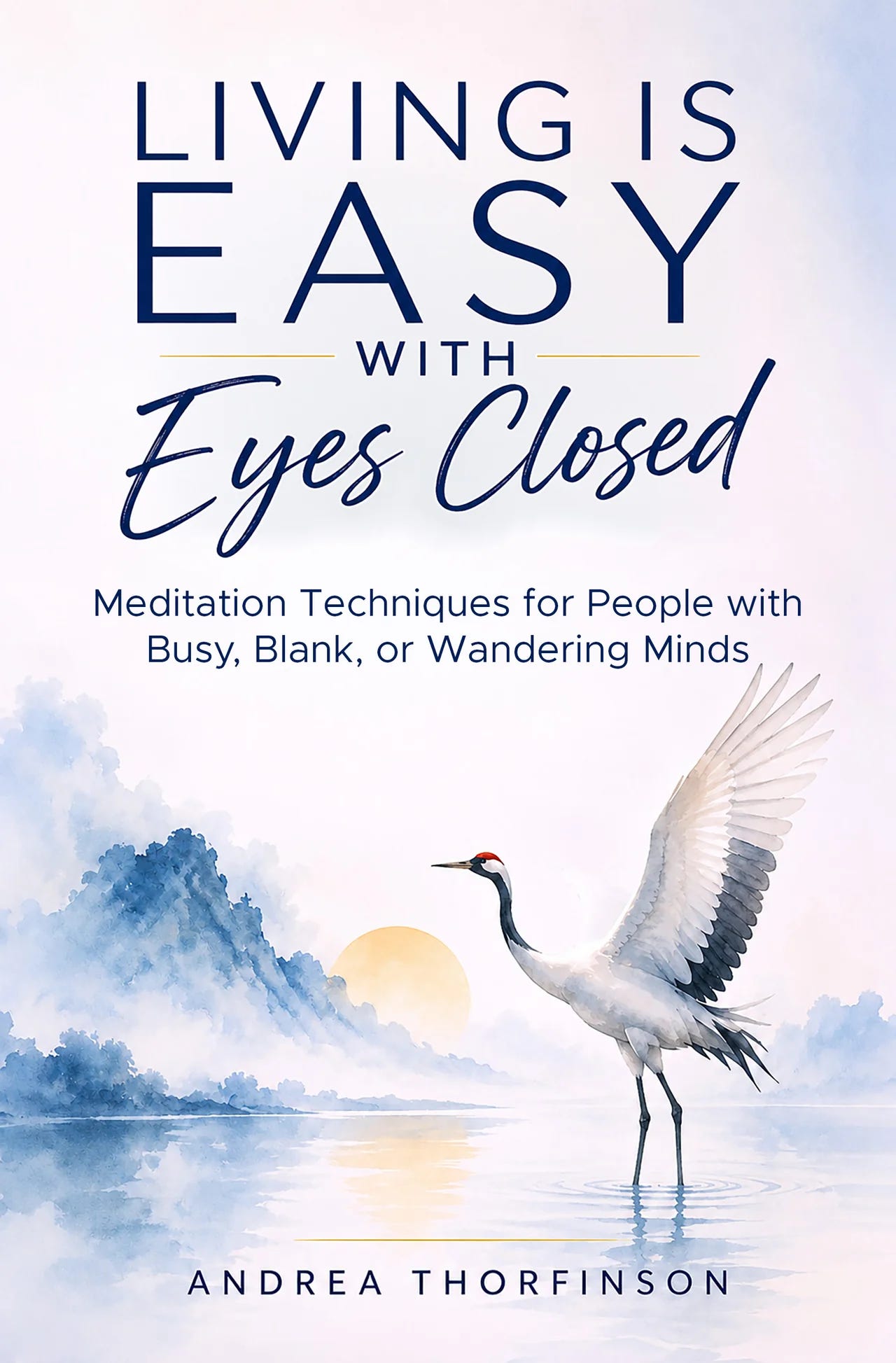
If you’re new to my work, I’m also the author of Living Is Easy With Eyes Closed, a meditation book written especially for people who have struggled with traditional meditation. It’s for busy minds, wandering thoughts, ADHD brains, aphants, and anyone who has ever thought, “I must be doing this wrong.”
Genuine and heartfelt. Forgiveness, like bitterness, is a self-imposed burden incapable of release unless we allow it. Look forward to reading your book.
Great column...