What I try to do in my novels—Ways to Be Wicked and the upcoming She’s a Lot Like You—is build characters who feel like people you might actually know. Not polished heroes, not cardboard villains, but men and women carrying their histories, their blind spots, their loyalties, and their damage right into the choices they make.
In Ways to Be Wicked, Enrique Tavish is a man who’s spent his whole life navigating the fault lines of identity and survival on Tucson’s south side. When a gifted student is murdered on his watch, he doesn’t turn into a superhero; he becomes exactly what a real person becomes under pressure—compelled, conflicted, stubborn, and sometimes wrong. Even the people around him—Jim Burgoyne, the Levantes, the families caught in the neighborhood’s undertow—move with the weight of lived experience.
She’s a Lot Like You pushes that even further. Rosa Martinez isn’t written as a symbol or a victim; she’s a fifteen year old girl whose intelligence and resilience keep surprising the adults who think they understand her. Tavish returns here, still wrestling with the same moral knots that make him human, not tidy. Their stories collide in ways that feel unpredictable because real people are unpredictable.
The thread that ties these books together is this: the characters don’t behave because the plot needs them to. They behave because that’s who they are. And that’s the kind of storytelling I believe in.
The best characters don’t feel written. They feel lived in.
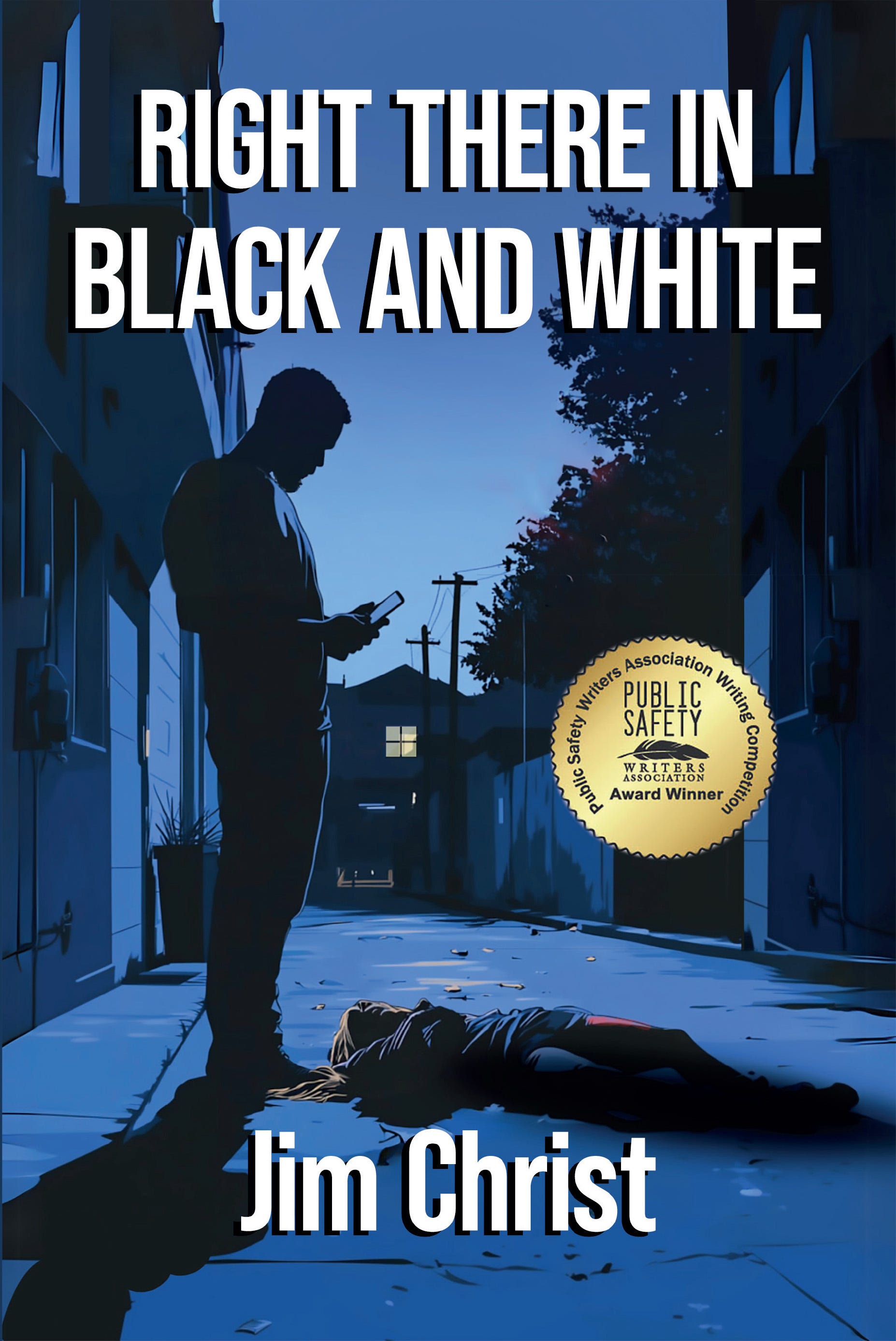
If you enjoy character-driven fiction filled with flawed people, moral complexity, family tension, and choices that don’t come easy, I think you’ll really connect with Right There in Black and White.