

Meditation, mindfulness, and the value of giving children a little space to simply be
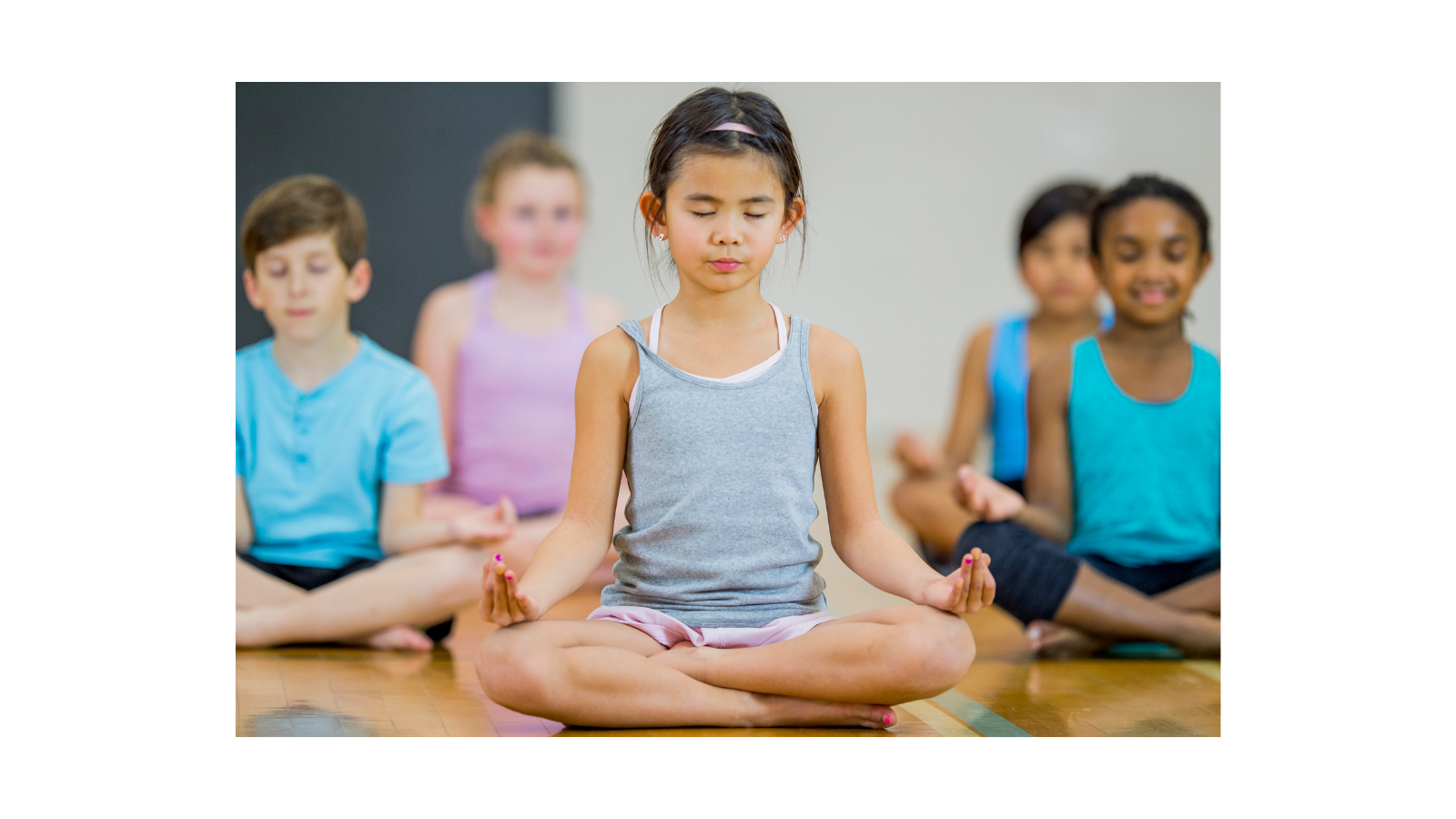
I’ve been thinking a lot lately about meditation and children, and especially about what simple meditation and mindfulness practices could look like in schools.
My friend C Simone has seen this from inside a school setting. She has seen what it can look like when children are given small, simple practices during an ordinary school day.
Even more than that, she also experienced meditation herself as a student, at an age when life can feel loud, emotional, confusing, and full of pressure.
When C shared her experiences with me, there was so much that stayed with me.
Meditation in the Classroom
The year before C left teaching in schools to move abroad, she worked in a school that opened its doors to mindfulness projects.
One of them was called “The Big Think,” which included meditation in a class she shared with a colleague. They were the pilot class for the school.
The program aimed to help children relax and connect with themselves through meditative practices before a series of group and individual tasks associated with critical thinking and English.
C said it was fantastic for the children. They particularly enjoyed sitting on the carpet with closed eyes, listening to the chime of a triangle or a singing bowl until its echo stopped.
It went so well that a video of the project was developed to encourage other schools to take on the practice.
But this wasn’t C’s first experience with meditation in school. For that, we have to go back to when she was thirteen.
A Loud Stage of Life
When C reflects on where meditation first began for her, she says it honestly came at the right time in her life.
She was thirteen and at a stage of school where students had to make choices about which subjects they would take for their final two years before completing their GCSEs.
There were also family difficulties at the time. Some family members were no longer speaking, and as is often the case for children and teenagers when adults aren’t getting along, it affected her too.
School wasn’t exactly peaceful either.
There was a rivalry with another secondary school, where students came to attack other students. At one point, it resulted in a lockdown for students who were normally allowed to leave the school grounds at lunchtime.
As C put it, it was quite a chaotic time.
Her class had an array of characters: the quiet ones, the loud ones, the fighters, the creatives, the organizers, the leaders, the followers, and more.
There was singing and dancing. There were arguments, jealousy between friends and the usual complications of being a teenager.
And amidst all of that noise, one teacher introduced them to meditation.
The funny thing is, this wasn’t necessarily a beloved teacher.
Years later, C asked some of her old classmates what they remembered about her. Their memories included that she could be harsh, had favorites, was obsessed with Diet Coke and changed her name five times, to the point that most of them couldn’t remember which name they primarily knew her by.
Her lessons were apparently pretty boring too!
Yet beyond all of that, C remembers one thing this teacher gave them.
She opened the door to meditation.
A Moment to Just Be
One day, after the students settled into their seats, the teacher announced that she was going to do something different. They were going to meditate before each main lesson with her.
C had never done group meditation before and doesn’t remember anyone else having done it either.
Before playing soothing music, the teacher told the students to make themselves comfortable.
And I love this part, she gave them permission to choose. They could lie or sit on the floor, remain seated in their chairs, lay their heads on the table, or do whatever felt right to them, as long as they were silent.
C remembers that something changed in the room.
This class full of different personalities learned to honor each other’s space. For a moment, grudges and unsettled arguments were put down. They listened to the music and settled into the quiet together.
C remembers feeling peaceful. She felt relaxed and calm. She didn’t feel as though she was sitting in a classroom filled with rules and learning objectives.
In fact, none of them wanted the meditative moment to end, and they often asked the teacher to do it again at the end of the lesson.
All these years later, that memory is still with her.
I Remember the Pause, Too
Reading C’s reflection also brought back a memory from my own childhood here in the States.
When I was in elementary school, I remember teachers sometimes turning out the lights and having the whole class put our heads down for “rest time.”
We weren’t meditating in any traditional sense. No one called it mindfulness. No one guided us through breathing or asked us to connect with ourselves.
But looking back now, I can see that it was still a pause.
A quiet moment in the middle of the school day. A chance for the room to settle. A chance for our little bodies and minds to stop for a few minutes before moving on to the next thing.
I asked my son Jude, who just finished third grade, if they still do anything like that in school.
He told me they did in first grade, but mostly when the class was having a hard time or getting in trouble.
So in that case, it may have felt more like a time-out than a mindful practice. But even then, underneath it, wasn’t the hope still the same? To bring the room back to calm. To help the children pause. To invite a little peace.
And that is what makes me think there is so much value in bringing meditation and mindfulness into classroom settings with more care and intention.
Not as punishment, but as a simple, supportive tool they can begin to recognize as their own.
Because if a pause can help a classroom reset, imagine what might happen when children are gently taught how to find that pause inside themselves.
This article was adapted from an original post by Andrea Thorfinson, written in collaboration with writer and former educator C Simone. You can read the original post, including C’s full reflections, here… Meditation for Children, Part Two: What Happens When Children Are Given a Moment to Pause at School
Want to Explore Meditation for Yourself?
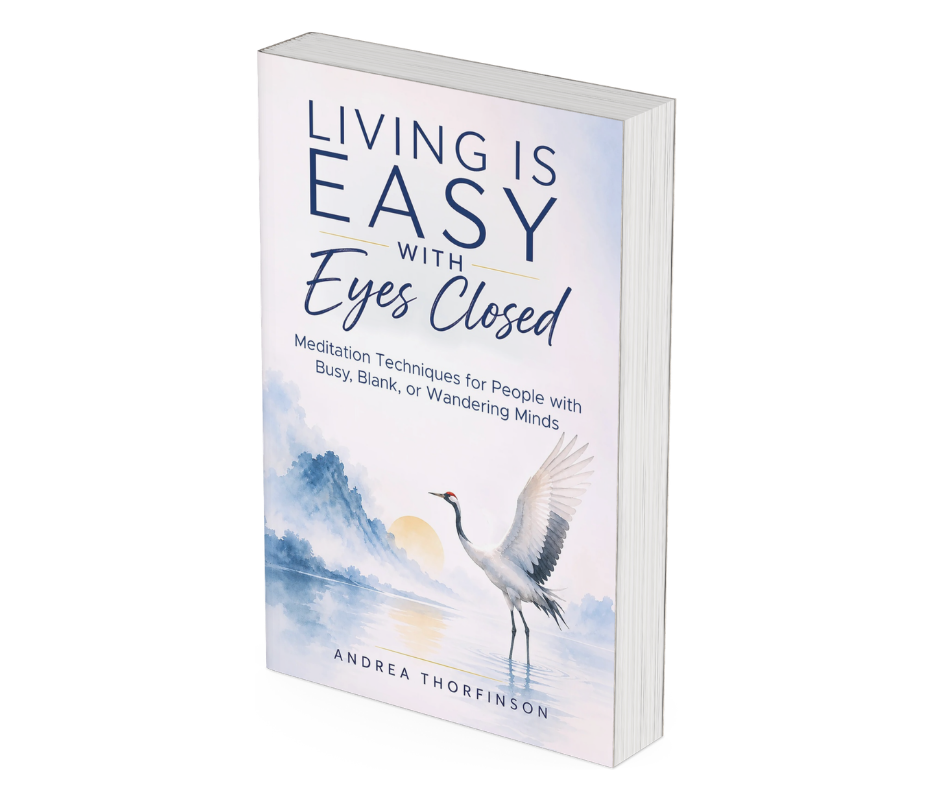
My book, Living Is Easy With Eyes Closed, grew from my own experience with meditation and aphantasia and from realizing just how many ways there are to meditate that don’t require visualization.
It explores simple practices using breath, sound, movement, gratitude, and more. While it was written for adults, many of the practices can also be adapted and shared with the children in your life.
Get your copy of Living Is Easy With Eyes Closed.
I loved this. I agree we don't often think of children when it comes to meditation or mindfulness and why not? Teaching them young can give them tools to help get through challenges later in life. Thank you for sharing this.